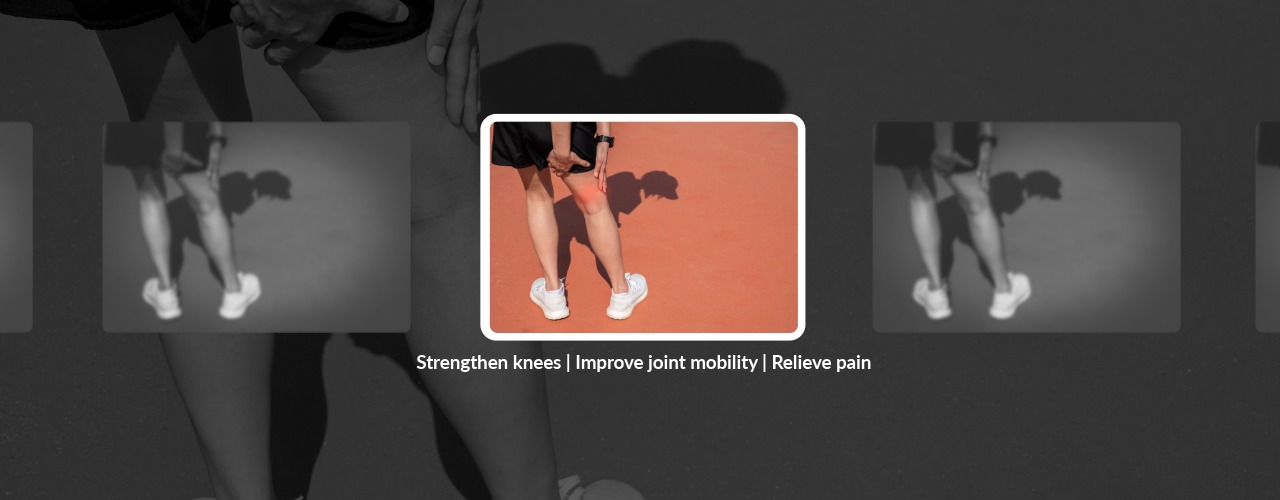
Knee pain can make simple tasks like climbing stairs, standing up, or walking across a room difficult. For many patients, stiffness and restricted motion add to the frustration. One of the most effective ways to restore movement is through knee pain mobilization techniques, which physical therapists use to improve joint flexibility and reduce discomfort. Understanding what these techniques are and how they help can give patients confidence in their recovery.
How the Knee Works
The knee is a hinge joint made up of bones, cartilage, ligaments, and muscles. It allows bending and straightening while supporting body weight. When injury, arthritis, or overuse affects the knee, tissues can become stiff and painful. Limited motion not only restricts activity but can also worsen pain by forcing surrounding muscles and joints to compensate.
Why Mobilization Helps
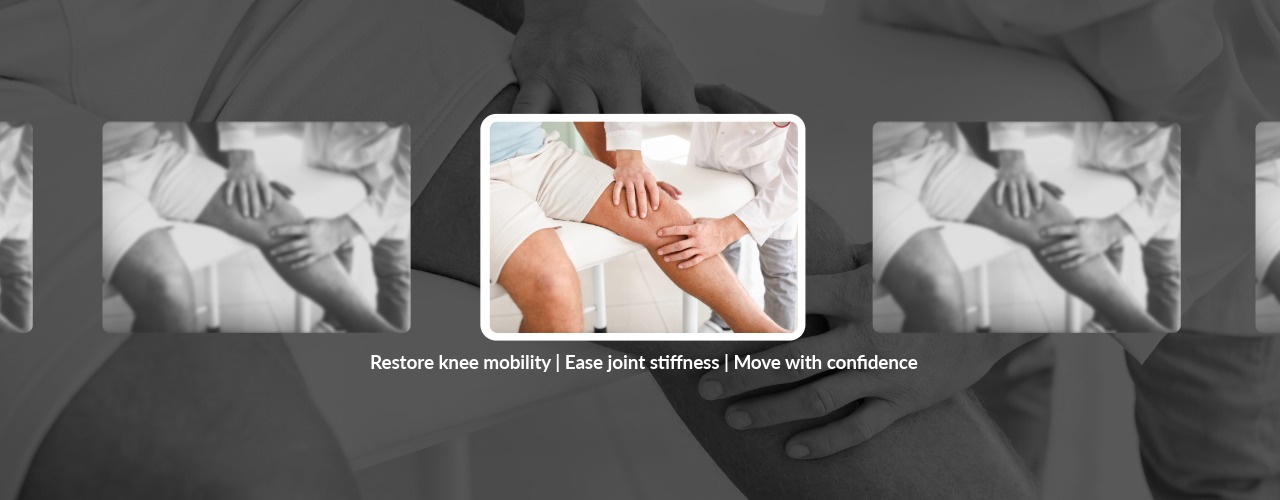
Joint mobilization is a hands-on therapy that gently guides the knee through controlled movements. Unlike stretching, which focuses on muscles, mobilization targets the joint itself. The goal is to:
- Reduce stiffness in the capsule and surrounding tissues
- Improve circulation and lubrication within the joint
- Decrease pain through gentle, repeated motion
- Restore smoother, more natural movement patterns
By improving mechanics, mobilization helps patients return to everyday tasks with less discomfort.
Step-by-Step Look at Knee Pain Mobilization Techniques
Physical therapists use several methods to address pain and stiffness. Common knee pain mobilization techniques include:
- Glide Mobilizations: The therapist gently shifts the joint forward, backward, or sideways to loosen tight areas and improve alignment.
- Traction Mobilization: A controlled pulling force helps relieve pressure inside the joint and reduce irritation.
- Rotation Mobilization: The therapist applies small rotational movements to restore smooth bending and straightening.
- Patellar Mobilization: The kneecap is gently moved up, down, or side-to-side to reduce stiffness in the surrounding tissues.
These techniques are applied based on the patient’s specific condition and tolerance.
How Therapists Personalize Mobilization
At Clifton Park Physical Therapy, therapists start with a detailed assessment to understand each patient’s pain, flexibility, and activity goals. Mobilization is then integrated with:
- Strengthening exercises to support the knee with stronger muscles.
- Flexibility training for hamstrings, quadriceps, and calves to reduce strain.
- Balance and stability drills to prevent reinjury.
- Education on posture, walking patterns, and safe daily movement.
This combination ensures that knee pain mobilization techniques are not used in isolation but as part of a complete plan for recovery.
Long-Term Benefits of Mobilization
When used consistently, mobilization provides benefits beyond immediate relief. Patients often notice:
- Less pain during daily activities
- Improved flexibility and mobility
- Better stability from balanced movement
- Greater confidence in returning to sports or exercise
These improvements build on one another, supporting both short-term comfort and long-term knee health.
Moving Forward With Confidence
Living with knee stiffness or pain can feel limiting, but there are safe, effective treatments available. Mobilization provides a gentle, evidence-based way to restore function without relying solely on medication or invasive procedures.
Take Action for Healthier Knees
If you are struggling with pain or stiffness, knee pain mobilization techniques may be the solution you need. At Clifton Park Physical Therapy, our physical therapists use hands-on care combined with exercise and education to restore movement and reduce discomfort. Contact Clifton Park Physical Therapy today to schedule your evaluation and begin your path to stronger, more flexible knees.