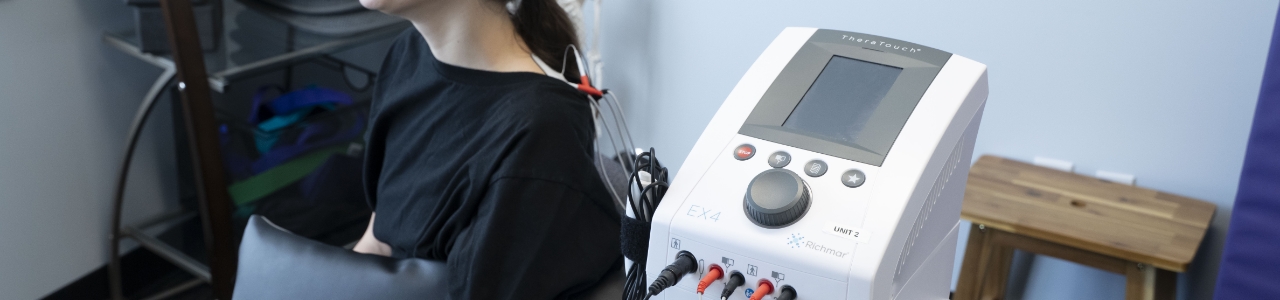
Modalities That Support Comfort and Movement During Recovery
Modalities in Clifton Park, NY are often used to help manage discomfort, stiffness, or sensitivity that makes movement harder during recovery. At Clifton Park Physical Therapy, we use modalities as supportive tools within a larger physical therapy plan for patients who want to move more comfortably while they work toward stronger, more confident movement. Many people ask about modalities when pain or tightness makes exercise feel difficult or when symptoms interfere with daily routines.
Modalities are not meant to replace active care. Instead, they help prepare the body for movement, reduce barriers to participation, and support tolerance for exercise and functional activity. Patients often seek modalities because they want relief that helps them stay engaged in therapy and daily life.
When Modalities Become a Helpful Part of Care
Therapists at Clifton Park Physical Therapy may use modalities when pain with movement, stiffness, or tissue sensitivity limits progress. Some patients experience discomfort after injury or surgery. Others notice lingering soreness related to repetitive activity or strain. In these situations, modalities can help calm irritated areas so movement feels more manageable.
Modalities may also be introduced when a patient feels guarded or hesitant with movement. By reducing discomfort or tension, modalities can make it easier to participate in exercise, movement training, and daily tasks. The use of modalities always depends on an individual evaluation and how the body responds to care.
How Modalities at Clifton Park Physical Therapy Support Your Recovery
At Clifton Park Physical Therapy, modalities support recovery by helping the body prepare for movement, tolerate activity, and respond more comfortably to exercise and daily tasks. These tools do not replace active care. Therapists use them selectively, based on individual evaluation, to reduce barriers that make movement harder. Each modality serves a specific purpose and is integrated into a broader plan that includes guided exercise, movement training, and education.
Common Situations Where Modalities May Help
Modalities may support patients who are experiencing:
- Muscle soreness that limits daily movement
- Joint stiffness affecting mobility
- Post-surgical sensitivity around healing tissue
- Discomfort that interferes with exercise participation
- Neck or back tightness during recovery
- Soft tissue irritation from overuse
- Pain that increases with activity
- Difficulty relaxing muscles during movement
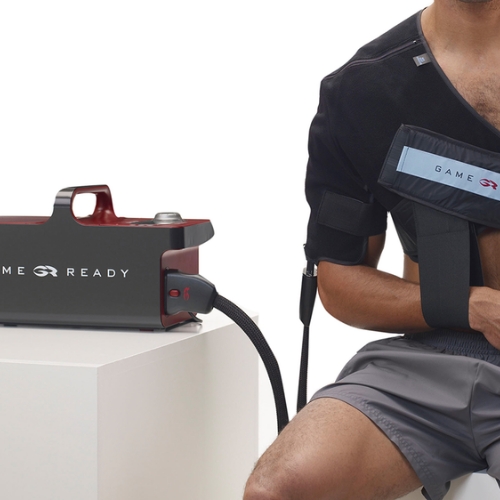
Game Ready
Game Ready combines cold therapy with intermittent compression to help manage swelling and tissue sensitivity following injury or surgery. Therapists often use Game Ready when joints or soft tissues feel irritated after activity or exercise. The cold component helps calm the area, while compression supports fluid movement. This combination can make movement feel more comfortable and improve tolerance for rehabilitation activities.
Game Ready is commonly used after orthopedic procedures or intense activity when swelling limits motion. Therapists select timing and duration carefully so the body stays responsive to exercise rather than relying on rest alone.
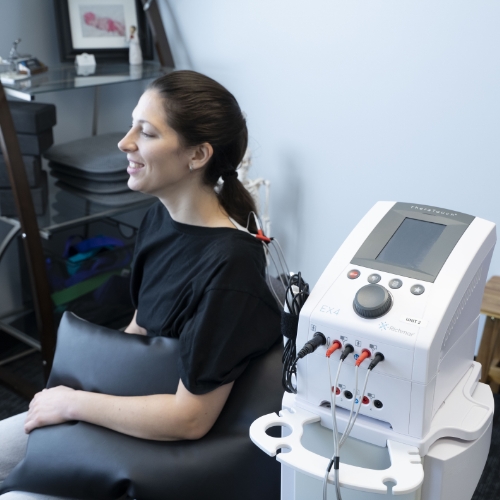
Richmar Electrical Stimulation Combo Units
Richmar electrical stimulation combo units provide multiple therapy options in one system, allowing therapists to address different recovery needs during a session.
These units may support muscle activation, comfort, or circulation depending on the selected settings. Therapists use them when muscles have difficulty engaging or when discomfort interferes with movement.
The goal is to support better participation in exercise and functional activity. Richmar units are used alongside active treatment, not as stand-alone care, and settings are adjusted based on how the body responds during rehabilitation.
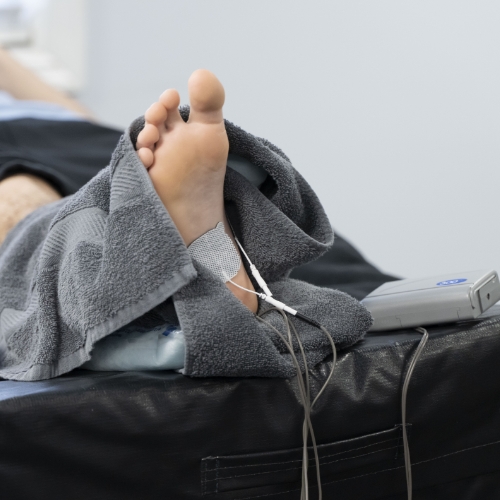
NMES Neuromuscular Electrical Stimulation
NMES neuromuscular electrical stimulation helps muscles contract when strength or activation is limited. Therapists often use NMES after surgery or injury when muscles are slow to respond during exercise. The stimulation helps the brain reconnect with the muscle so movement patterns improve.
NMES supports strengthening efforts rather than replacing them. It can make exercises more effective by improving muscle engagement during movement. Therapists determine when NMES is appropriate based on evaluation and integrate it into functional activities that support daily movement and recovery goals.
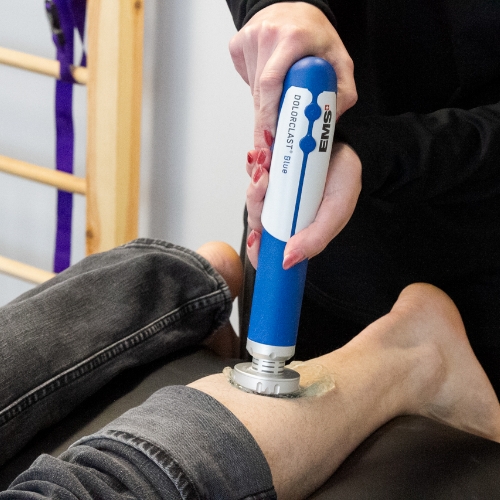
EMS Radial Shock Wave
EMS radial shock wave therapy delivers mechanical pulses to targeted tissues to help address long-standing muscle or tendon sensitivity. Therapists may use this modality when tightness or irritation limits movement despite other interventions.
The goal is to stimulate tissue response and improve tolerance for activity. EMS radial shock wave therapy is applied carefully and paired with movement and strengthening strategies. It is not used for every condition.
Therapists determine suitability based on location, symptoms, and how the body responds to treatment over time.
MLS Cutting Edge Class 4 Laser
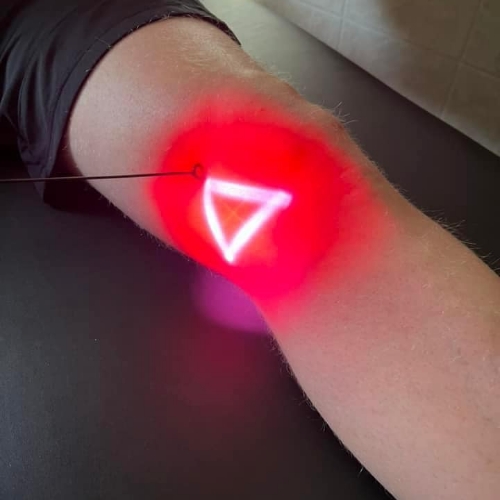
MLS cutting edge Class 4 laser therapy delivers light energy to targeted tissues to support healing response and reduce sensitivity.
Therapists may use this laser when soft tissue irritation or joint discomfort interferes with movement or exercise participation. The treatment is brief and applied to specific areas based on evaluation findings.
MLS laser therapy supports tolerance for activity so patients can stay engaged in rehabilitation. It works best when combined with guided exercise, movement retraining, and education rather than used in isolation.
Ultrasound
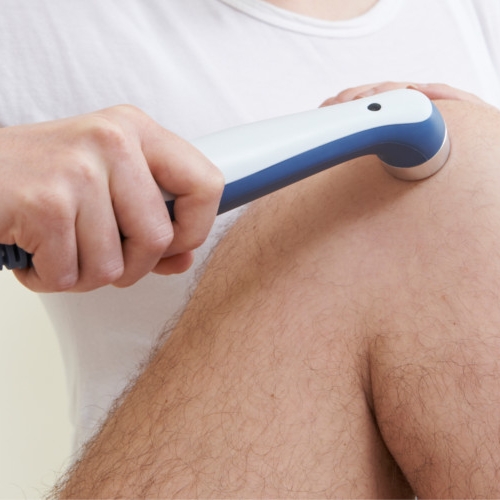
Ultrasound therapy uses sound waves to deliver deep heating to targeted tissues.
Therapists often use ultrasound when muscle tightness or tissue stiffness limits range of motion. The warming effect can help prepare tissues for stretching, manual techniques, or exercise.
Ultrasound is used selectively and for specific goals, not as routine care. Therapists monitor response closely and follow ultrasound treatment with active movement to reinforce improved mobility and function during daily tasks.
Paraffin
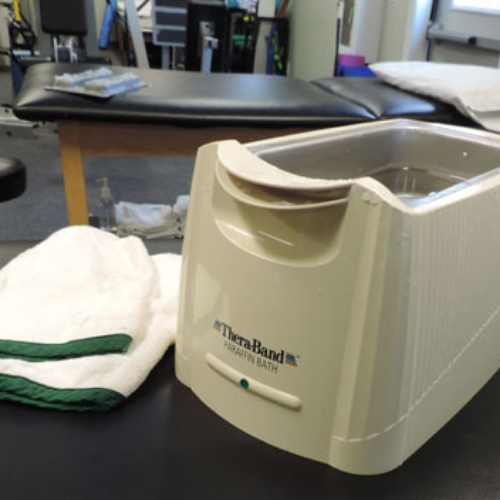
Paraffin therapy applies warm wax to hands or feet to help reduce stiffness and improve comfort before movement.
Therapists may use paraffin when small joints feel tight or limited, especially during conditions that affect hand or foot mobility. The warmth helps tissues relax so movement feels easier afterward.
Paraffin is often followed by stretching, strengthening, or functional activities. This sequence helps translate temporary comfort into improved use of the hands or feet during daily activities.
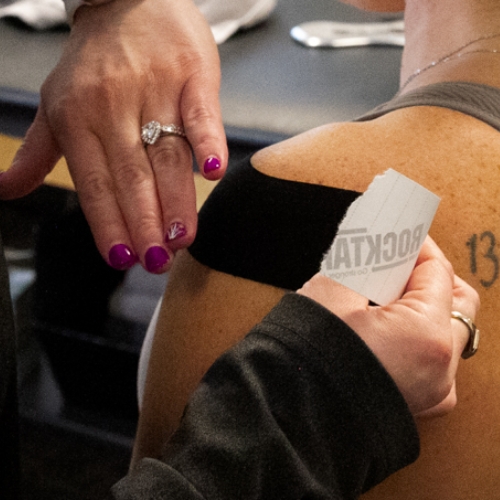
Dynamic, Rock, and Kinesiology Taping With Certified Clinicians
Dynamic taping, RockTape, and kinesiology taping provide external support to guide movement and reduce strain during activity. Certified clinicians apply taping techniques based on evaluation and movement patterns.
Taping may help improve body awareness, support joints, or reduce stress on irritated tissues. It is commonly used during exercise, work tasks, or daily movement.
Taping does not replace strength or movement training. Instead, it supports better movement quality while patients build control and confidence through rehabilitation.
Moist Hot Packs and Cold Packs
Moist hot packs and cold packs are simple but effective tools used to prepare the body for movement or calm tissues after activity. Heat helps relax tight muscles and improve mobility before exercise. Cold helps reduce irritation after movement or activity.
Therapists select heat or cold based on symptoms, timing, and goals for the session. These modalities support comfort so patients can participate more fully in active care and daily movement.
Modalities work best as part of a full modalities plan that includes exercise, movement training, and education. Therapists adjust use based on response, ensuring care remains focused on progress rather than passive treatment.
Frequently Asked Questions
Are modalities used instead of exercise in physical therapy?
Will I receive the same modalities at every visit?
Can modalities help if my pain flares during activity?
Care That Balances Support and Active Progress
At Clifton Park Physical Therapy, treatment choices are guided by how patients move and what they want to regain. Our team explains when modalities are helpful and how they fit into a larger plan. Patients across Clifton Park, NY appreciate this approach because it keeps care active, purposeful, and centered on meaningful improvement rather than short-term relief alone.
Supportive Tools That Make Active Care Easier
Modalities can play an important role when discomfort or stiffness makes movement feel harder than it should. When used thoughtfully, these tools help create the right conditions for progress by improving comfort and readiness for activity. At Clifton Park Physical Therapy, therapists use modalities to support movement, not replace it, and always connect their use to functional goals. If symptoms are slowing your progress or limiting participation in therapy, our team can help determine which supportive options may be appropriate. Contact Clifton Park Physical Therapy to learn how modalities in Clifton Park, NY can complement an active plan focused on helping you move with greater ease.
Your Next Steps…
- Request An Appointment
- Receive A Custom Treatment Plan
- Work Hard and Progress In Your Recovery
- Recover & Enjoy Life Pain-Free