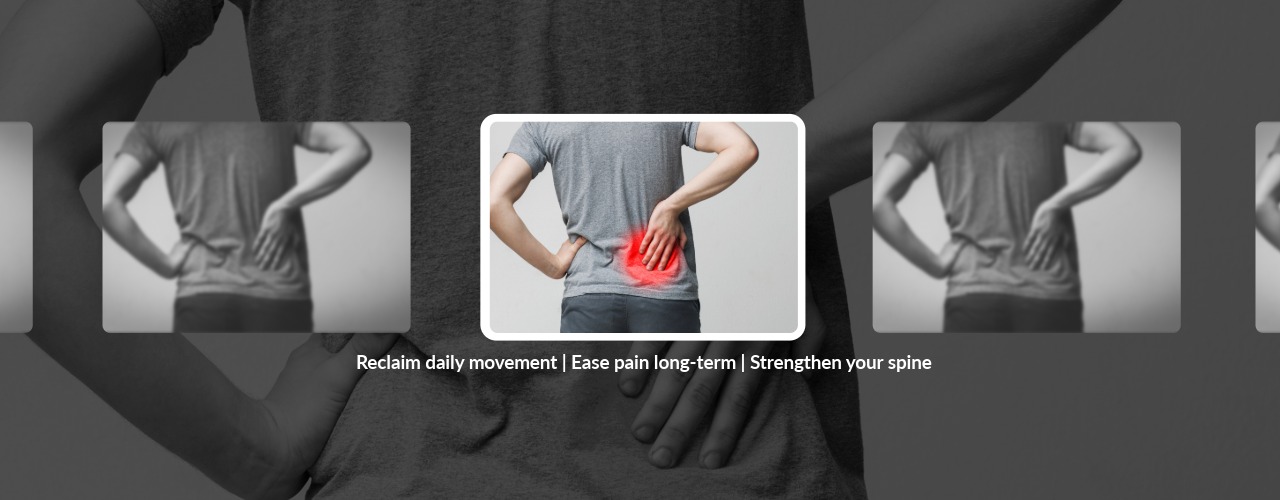
An accident, fall, or sudden strain can leave lasting discomfort in the back. For many patients, back pain from injury is more than temporary soreness it can impact mobility, sleep, and daily function. Physical therapy plays an important role in restoring strength and movement after injury. To help patients better understand what to expect, here are answers to common questions about back pain after trauma.
Common Questions Patients Ask About Back Pain
What Causes Back Pain From Injury?
Back pain following an injury can stem from several sources:
- Muscle strain: Overstretching or tearing of muscle fibers from lifting or twisting.
- Ligament sprain: Stress on the supporting ligaments of the spine.
- Disc injury: Herniation or bulging discs that place pressure on nearby nerves.
- Joint irritation: Inflammation of the small joints between vertebrae.
Each of these can cause varying levels of stiffness, aching, or sharp pain depending on the movement or activity.
How Is Back Pain From Injury Different From Everyday Aches?
Everyday backaches often come from poor posture, prolonged sitting, or muscle fatigue. Back pain from injury, however, usually begins suddenly after a fall, accident, or heavy lifting. The pain is often sharper, may be localized, and can limit movement more severely. Swelling, bruising, or numbness in the legs may also be present, depending on the type of injury.
When Should I See a Physical Therapist?
It’s a good idea to seek help if pain does not improve within a few days, or if it interferes with walking, sitting, or sleeping. Other warning signs include:
- Pain radiating into the legs
- Tingling, weakness, or numbness
- Trouble standing upright
- Severe stiffness that limits movement
Early evaluation ensures the cause of pain is identified and treatment begins promptly to avoid long-term issues.
What Does Recovery Look Like With Physical Therapy?
At Clifton Park Physical Therapy, therapists design treatment plans that match the specific injury. Recovery often includes:
- Manual therapy to reduce stiffness and restore mobility.
- Targeted exercises to strengthen core and back muscles for better support.
- Posture training to reduce strain during daily activities.
- Education on safe movement patterns to prevent further injury.
By combining hands-on care with exercise and education, therapy not only reduces pain but also improves long-term spine health.
How Long Does It Take to Heal From Back Pain From Injury?
Healing time varies based on the severity of the injury and the individual’s overall health. Mild strains may improve within a few weeks, while more complex issues, such as disc involvement, may take longer. The good news is that consistent therapy helps speed recovery by restoring movement safely and building resilience in the spine. Patients often report steady progress as strength and mobility return.
Can Lifestyle Changes Help With Recovery?
Yes. Simple adjustments can support the healing process and reduce the risk of reinjury. These include:
- Practicing proper lifting techniques
- Avoiding prolonged sitting with poor posture
- Incorporating regular low-impact exercise like walking or swimming
- Maintaining a healthy weight to reduce pressure on the spine
Therapists often guide patients in adopting these changes alongside their treatment plan.
Moving Forward After Back Pain
Recovering from back pain from injury takes time, but it does not have to limit your life. With professional care and consistent effort, many patients regain comfort, strength, and confidence in their daily activities.
Get the Right Support for Recovery
If you are struggling with back pain from injury, the team at Clifton Park Physical Therapy can help. Our physical therapists create personalized plans to reduce pain, restore movement, and support lasting recovery. Contact Clifton Park Physical Therapy today to schedule your evaluation and begin the path to better spine health.