Many people assume that posture is the only explanation for back pain. While posture plays a role, the truth is more complex. Understanding the relationship between posture and pain helps patients take the right steps toward relief. If you’re struggling with back pain from poor posture, it’s important to know what’s myth and what’s fact.
Sorting Out the Myths About Posture and Back Pain
Myth 1: Poor Posture Always Causes Back Pain
Fact: Not everyone who slouches develops pain. Posture is one of several factors that may contribute, including muscle weakness, prolonged sitting, stress, or past injuries. Poor posture increases strain on muscles and joints, which can lead to discomfort over time, but it is not the sole cause.
Myth 2: Fixing Posture Instantly Cures Pain
Fact: Correcting posture helps, but it is not a quick fix. Back pain often develops from a mix of poor movement habits, weak muscles, and limited flexibility. Improving posture reduces strain, but recovery also requires strengthening and retraining movement patterns through therapy.
Myth 3: Only Sitting Posture Matters
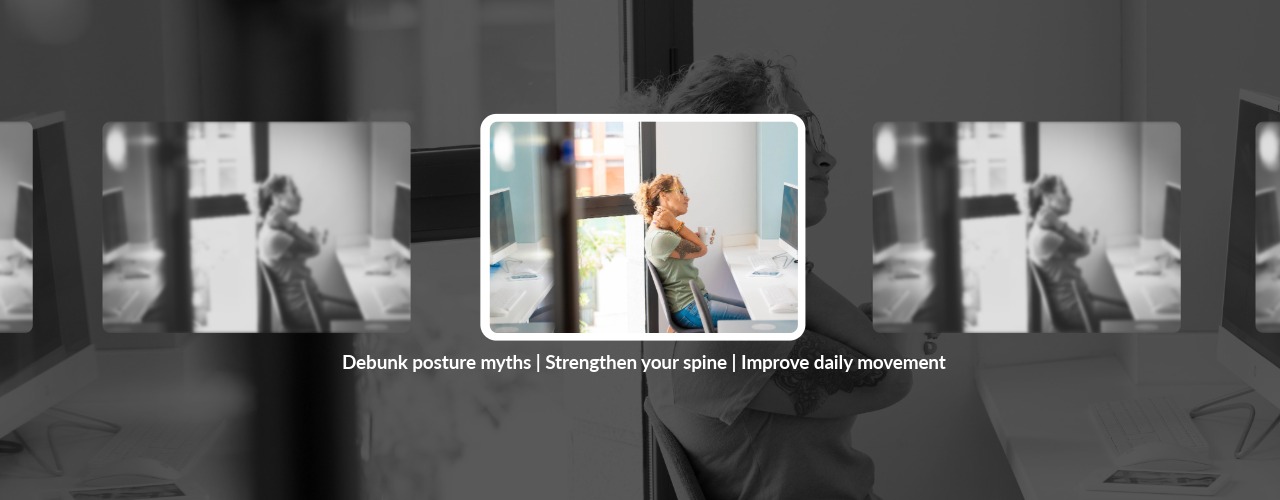
Fact: Many patients think sitting at a desk is the main culprit. In reality, standing, lifting, and even sleeping postures influence back health. Long hours in one position, whether sitting or standing, can contribute to back pain from poor posture. Movement throughout the day is just as important as sitting tall.
Myth 4: Good Posture Means Standing Rigid and Upright
Fact: Many people overcorrect by stiffening their back and shoulders. True posture is about balanced alignment, not rigid positioning. A natural curve in the spine supports comfort and function. Physical therapists teach patients how to find neutral posture that feels sustainable, not forced.
Myth 5: Back Pain From Poor Posture Cannot Improve Without Surgery
Fact: The vast majority of patients improve without surgery. Physical therapy offers proven strategies to reduce discomfort and restore mobility. At Clifton Park Physical Therapy, treatment plans may include:
- Strengthening exercises for the core and back muscles.
- Stretching routines to reduce tightness from prolonged sitting or standing.
- Postural education to correct alignment in daily activities.
- Manual therapy to relieve stiffness and improve circulation.
- Guidance on ergonomics for work and home setups.
By combining these methods, patients learn to manage back pain from poor posture and prevent flare-ups.
Living Beyond the Myths
Posture is important, but it’s only one piece of the puzzle. Patients who strengthen their bodies, improve flexibility, and develop healthier habits often notice the greatest improvements. With the right care, posture shifts from being a source of stress to a tool for better movement and less discomfort.
Build Strength, Not Stress
If you have back pain from poor posture, you don’t have to live with it. At Clifton Park Physical Therapy, we create individualized therapy programs that address posture, mobility, and strength to support long-term back health. Contact Clifton Park Physical Therapy today to schedule your evaluation and start moving toward a stronger, more comfortable back.