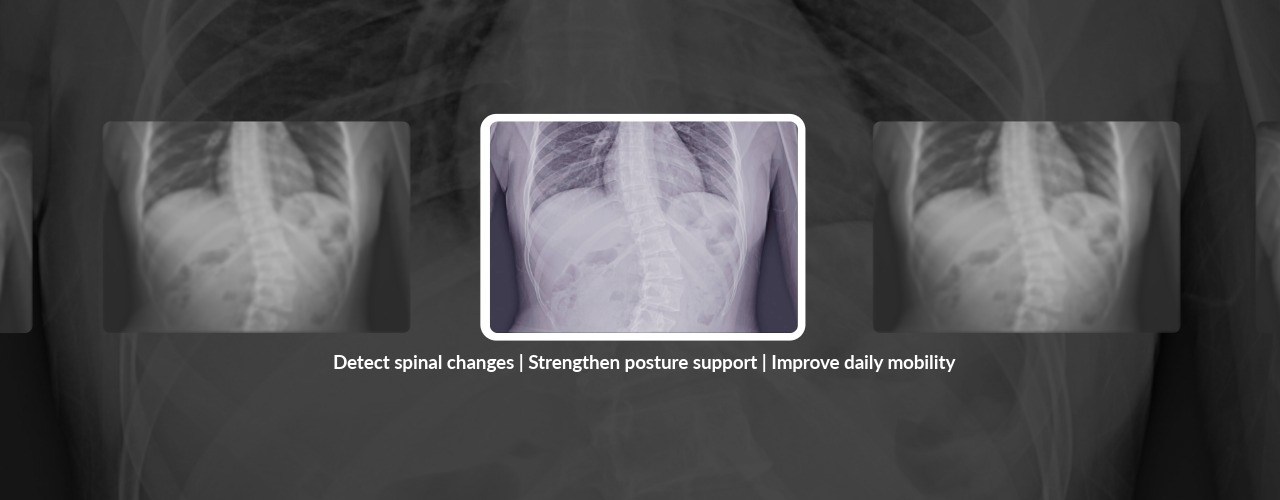
Many people assume scoliosis only happens after an accident or major injury. The reality is that the condition can appear in adults even without a clear cause. Understanding scoliosis without trauma helps patients recognize the signs early and seek appropriate care. Let’s sort out the myths and facts about how scoliosis develops, what it means for daily life, and how physical therapy can help.
Common Myths About Scoliosis
Myth 1: Scoliosis Always Comes From a Back Injury
Fact: While trauma can contribute to spinal changes, it is not the only factor. Adult-onset scoliosis often develops from age-related degeneration, where discs and joints wear down and shift the spine. Osteoporosis, arthritis, or muscle imbalances can also play a role. This means scoliosis may appear gradually over time, even in individuals who have never experienced a serious injury.
Myth 2: Only Teenagers Get Scoliosis
Fact: Scoliosis is often diagnosed in adolescence, but adults are not immune. Degenerative scoliosis, sometimes called “adult-onset scoliosis,” develops later in life due to natural changes in spinal structures. In fact, many patients with scoliosis without trauma are surprised when symptoms begin in adulthood after years of living with a straight spine.
Myth 3: Scoliosis Without Trauma Does Not Cause Symptoms
Fact: Some patients do not notice early signs, but as the curve progresses, symptoms become clear. These may include:
- Uneven shoulders or waistline
- Back pain that worsens with activity
- Stiffness or reduced flexibility
- Numbness or tingling if nerves are compressed
Even mild curvature can affect posture, movement, and comfort in daily activities. Recognizing these changes early makes treatment more effective.
Myth 4: Surgery Is the Only Way to Treat Adult Scoliosis
Fact: Most cases can be managed without surgery. Physical therapy is a proven treatment for reducing pain, improving mobility, and helping patients adapt to spinal changes. Therapy plans may include:
- Posture correction to reduce uneven strain on the spine
- Strengthening exercises to support spinal alignment
- Flexibility training for better movement
- Manual therapy to ease stiffness and improve circulation
- Education on daily habits that minimize stress on the back
These strategies help patients live actively and comfortably, even with scoliosis without trauma.
Myth 5: Scoliosis Will Always Get Worse With Age
Fact: Not every case progresses dramatically. Some curves remain stable for years. With proper treatment, patients often maintain or even improve function over time. Consistent therapy, exercise, and healthy habits all reduce the risk of worsening symptoms.
How Physical Therapy Clears Up the Myths
At Clifton Park Physical Therapy, therapists work with patients to address both the symptoms and the root causes of scoliosis. By focusing on pain relief, mobility, and long-term spinal health, therapy transforms myths into manageable realities. Patients learn practical tools to improve posture, strengthen muscles, and protect their spine from further progression.
Finding Confidence in Care
Hearing the word “scoliosis” can feel overwhelming, but the condition is more manageable than many patients expect. Physical therapy offers a safe, conservative path that reduces discomfort and restores mobility. By debunking myths, patients gain confidence in their ability to live actively while caring for their spine.
Take the First Step Toward Relief Today
Scoliosis can appear even without injury, but that does not mean you have to live with discomfort. At Clifton Park Physical Therapy, our team creates customized therapy plans to reduce pain, improve posture, and build strength for long-term stability. If you are experiencing signs of scoliosis without trauma, contact us today to schedule your evaluation and begin moving with confidence.