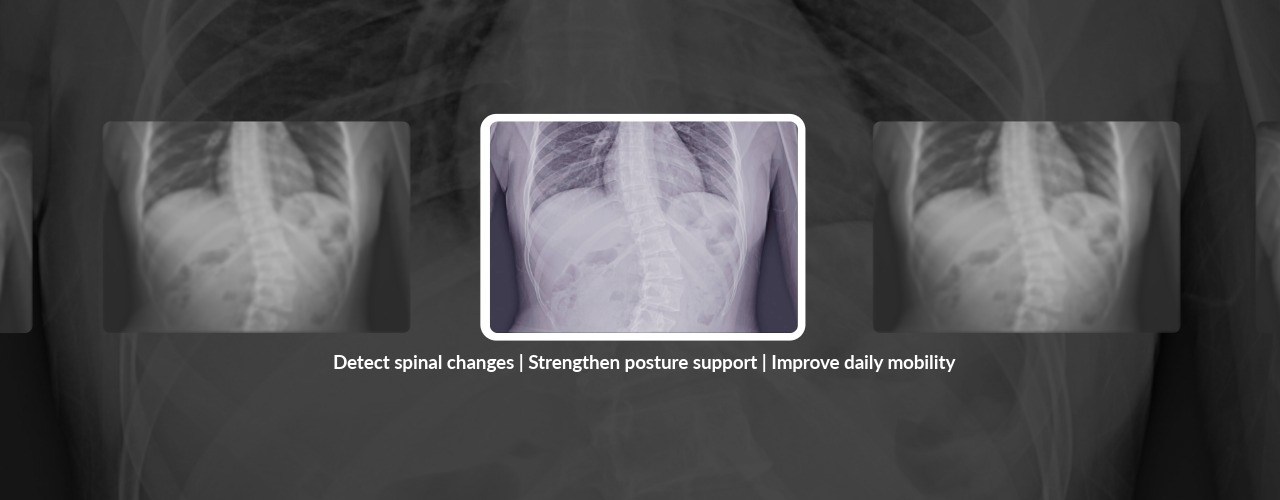
Back pain and stiffness that appear later in life can sometimes point to degenerative scoliosis, a condition where age-related changes cause the spine to curve abnormally. Unlike adolescent scoliosis, which often appears during growth spurts, this form develops as the spine weakens with age. Knowing what to look for and who is at risk helps patients take action early and find the right treatment.
Checklist: Key Facts About Degenerative Scoliosis
1. It Develops in Adults
Degenerative scoliosis most commonly affects adults over the age of 50. As the spinal discs wear down and joints lose strength, the spine may begin to tilt or curve. This is different from adolescent scoliosis, which is usually detected in teenagers.
2. Risk Increases With Disc and Joint Wear
Age-related changes in the discs and facet joints can lead to uneven pressure on the spine. Over time, this imbalance may cause the vertebrae to shift, creating a side-to-side curve.
3. Women Are at Higher Risk
Women, particularly those who have gone through menopause, face a greater risk of degenerative scoliosis due to bone density loss and hormonal changes that affect joint health.
4. Osteoporosis Plays a Role
Weak or brittle bones from osteoporosis increase the chances of spinal changes. Compression fractures in the vertebrae can worsen existing curves or cause new ones to form.
5. Symptoms Go Beyond Back Pain
While back pain is common, other signs may include:
- Uneven shoulders or hips
- Numbness or tingling in the legs
- Fatigue when standing or walking
- Loss of height over time
These symptoms may worsen as the curve progresses.
6. Poor Core Strength Contributes to Progression
Muscles play a vital role in supporting the spine. Weak core and back muscles can allow curves to worsen, making exercise and therapy important parts of care.
7. Early Detection Helps Management
The sooner patients recognize the signs of degenerative scoliosis, the better the outcome. Early intervention with physical therapy can reduce pain, slow curve progression, and maintain mobility.
How Physical Therapy Helps With Degenerative Scoliosis
At Clifton Park Physical Therapy, therapy for degenerative scoliosis focuses on improving strength, mobility, and posture. Treatment often includes:
- Targeted strengthening for core and spinal muscles to provide better support.
- Flexibility training to relieve stiffness and improve range of motion.
- Postural education to reduce strain in daily activities.
- Manual therapy to ease discomfort and improve circulation.
- Personalized home exercise plans to maintain progress between visits.
These evidence-based strategies help patients manage symptoms without relying solely on medication or invasive procedures.
Lifestyle Habits That Support Spinal Health
In addition to therapy, long-term spine health depends on daily choices. Patients benefit from:
- Staying active with low-impact exercise like walking or swimming.
- Using supportive chairs and proper ergonomics at work and home.
- Eating a nutrient-rich diet with enough calcium and vitamin D.
- Avoiding smoking, which accelerates bone and disc degeneration.
These steps, combined with therapy, give patients the best chance of reducing pain and staying mobile.
Moving Forward With Confidence
While the diagnosis of degenerative scoliosis may feel discouraging, many patients find significant relief with conservative care. By strengthening the body and addressing posture, it is possible to stay active and reduce the impact of spinal changes.
Take Charge of Your Spine Health
If you are noticing changes in posture, back pain, or difficulty standing tall, it may be time to get evaluated for degenerative scoliosis. At Clifton Park Physical Therapy, our therapists specialize in creating individualized programs to improve comfort, restore function, and support long-term spine health. Contact Clifton Park Physical Therapy today to schedule your evaluation and take the first step toward a stronger back.